Water Damage Restoration Decatur, GA
24/7 water damage restoration in Decatur, GA. The restoration team extracts standing water, dries the structure to the IICRC S500 standard and documents every step for your insurance claim.
(888) 532-4616Water still spreading? Call Decatur dispatch now- 24/7 dispatch
- IICRC S500 drying standard
- Truck-mounted extraction
- Daily moisture readings
What to do while the water is still moving
- 1
Shut the main
Close the main valve, usually at the meter box near the street or in the crawl space.
- 2
Kill wet circuits
If the breaker panel is dry, switch off power to rooms with water.
- 3
Keep clear
Stay out of standing water near outlets, cords and appliances.
- 4
Photograph first
Take wide and close photos before you move anything.
- 5
Lift, then call
Pull up rugs, raise furniture, then call. Mold can start in 24 to 48 hours.
Water Damage Restoration Services in Decatur, GA
Water and sewage only, from the first pump-out to the last moisture reading, anywhere in Decatur and the surrounding DeKalb County ZIP codes.
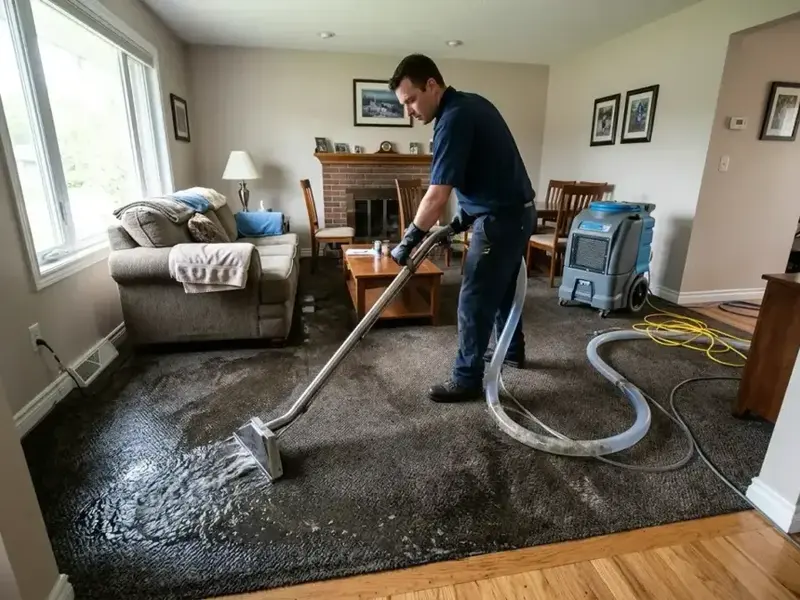 Water Extraction & RemovalStanding water pulled out with truck-mounted extraction before it wicks into walls and subfloor.View service
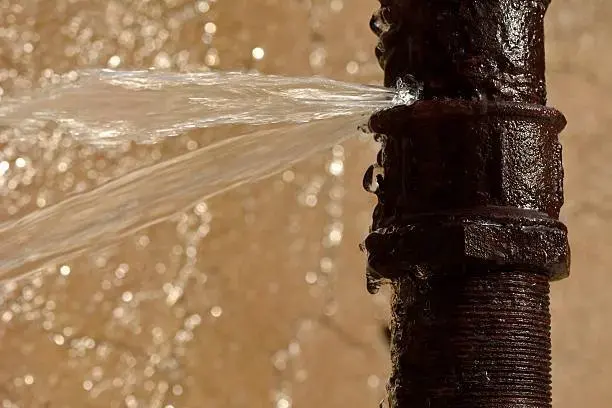 Burst Pipe CleanupA split supply line shut down, extracted, and every wet wall cavity dried to readings.View service
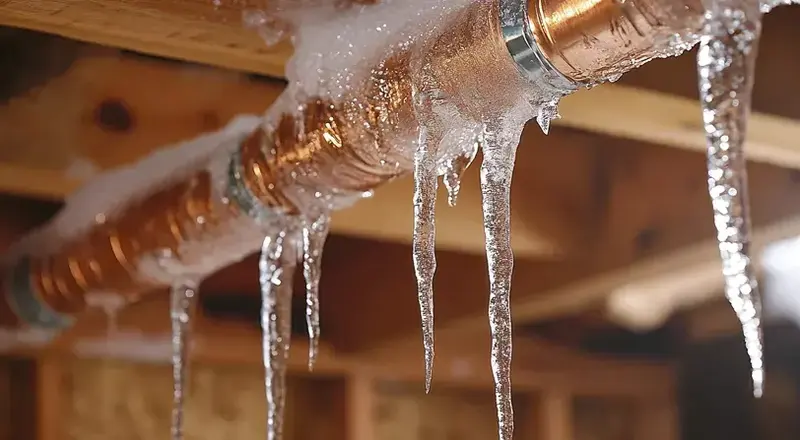 Frozen Pipe CleanupCrawl-space and exterior-wall lines that split in a hard north Georgia freeze.View service
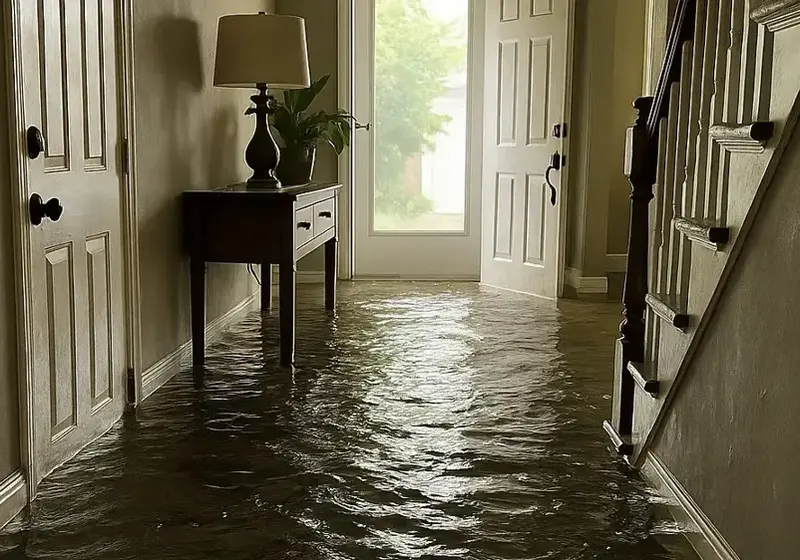 Storm & Flash Flood CleanupCreek overflow and red-clay runoff handled as contaminated water, not a mop job.View service
 Storm & Tree-Fall Roof Leak DamageLimbs and whole oaks through the roof, and the wind-driven rain that follows them in.View service
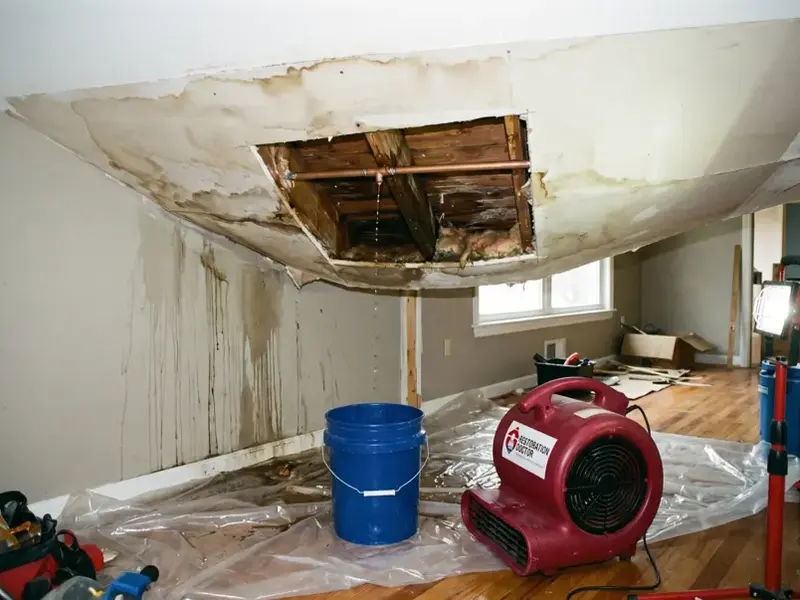 Ceiling Leak Water DamageUpstairs baths and attic AC pans leaking down, opened and dried behind the drywall.View service
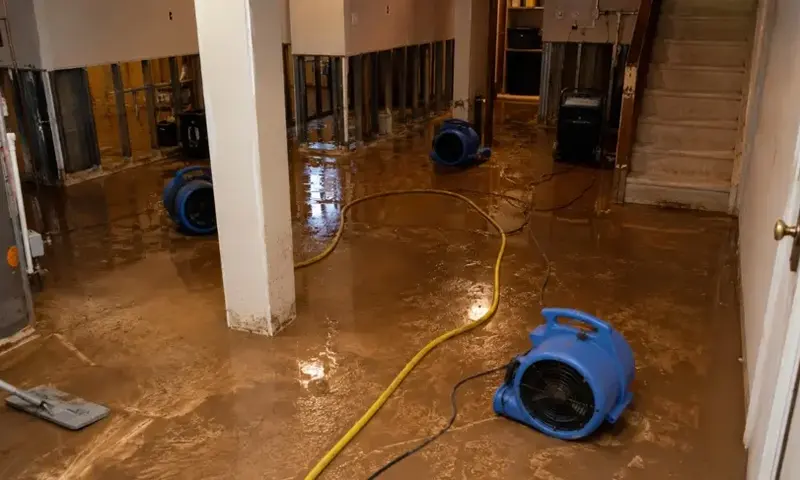 Basement Flooding CleanupDaylight basements on sloped lots, where storm water pushes in at the low wall.View service
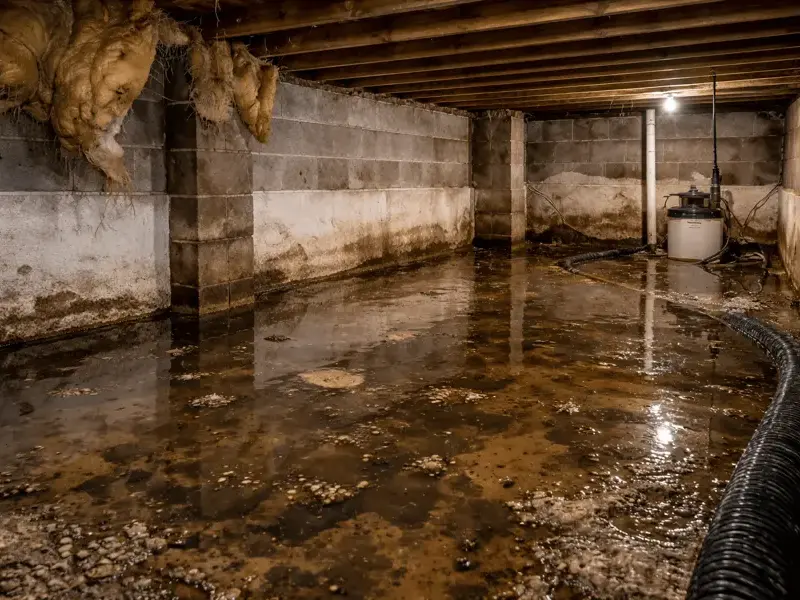 Crawl Space Water DamageWater under bungalows and ranches pumped out and the joists dried over red clay.View service
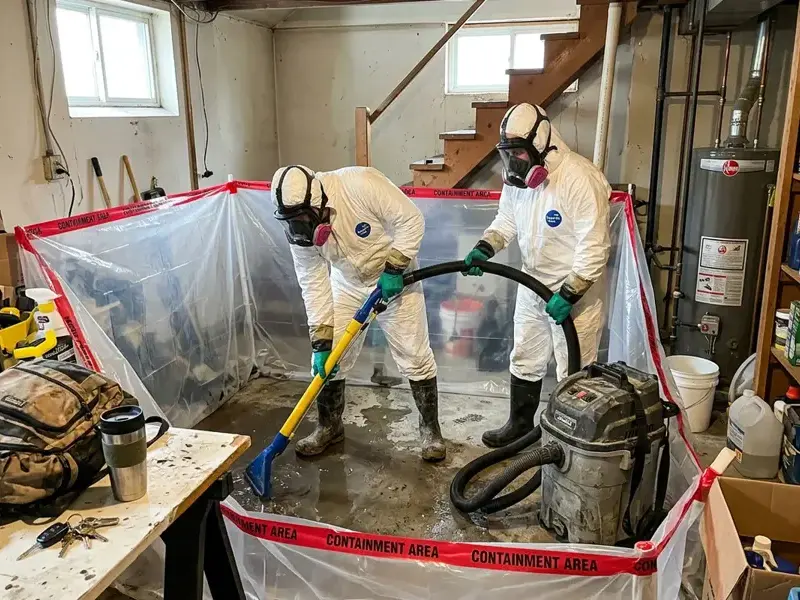 Sewage Backup CleanupRoot-cracked laterals and backups treated as Category 3, with containment and removal.View service
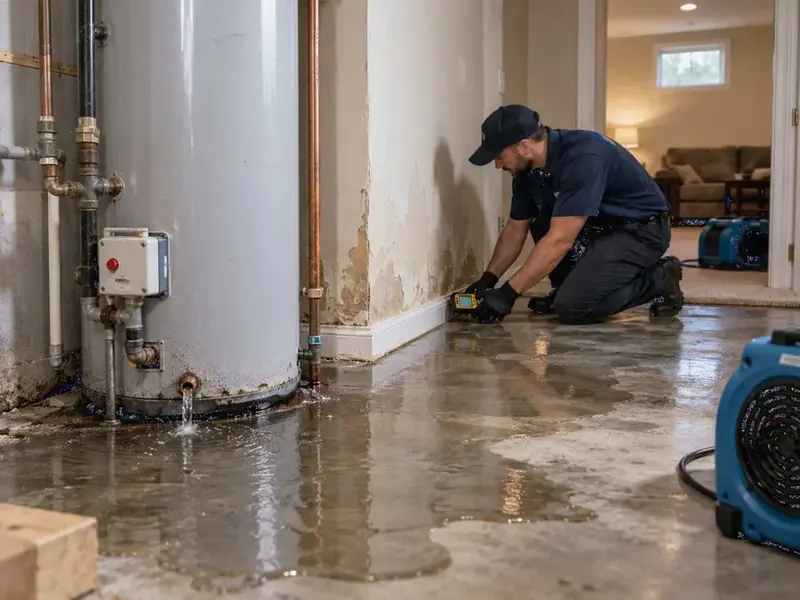 Water Heater Failure CleanupTank and fitting failures in basements, closets and garages, extracted and dried.View service
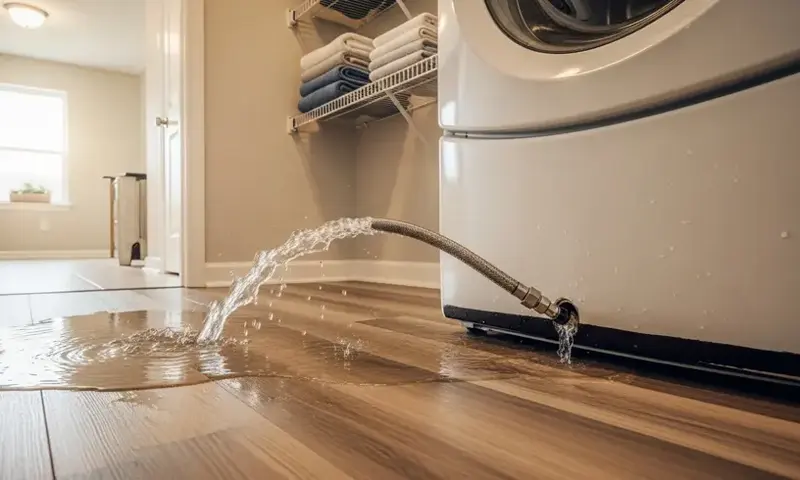 Appliance Supply Line Leak CleanupWasher, dishwasher, fridge and ice-maker lines that let go under floors and cabinets.View service
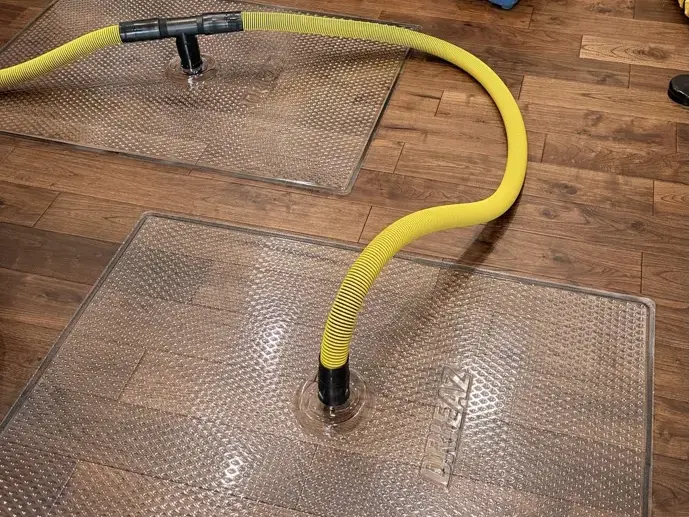 Hardwood Floor Water DamageHeart pine and oak floors in older homes dried with mats before they cup for good.View service
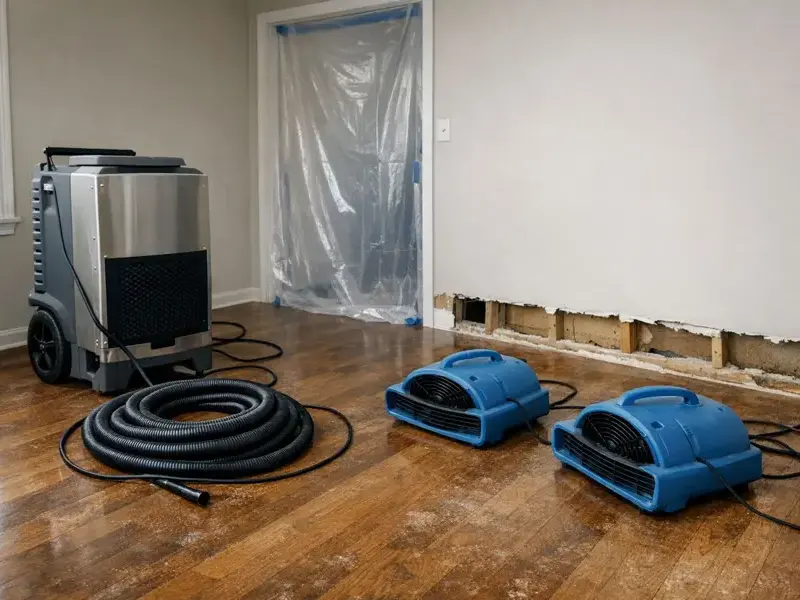 Structural Drying & DehumidificationFraming, subfloor and plaster dried to readings, not to a date on a calendar.View service
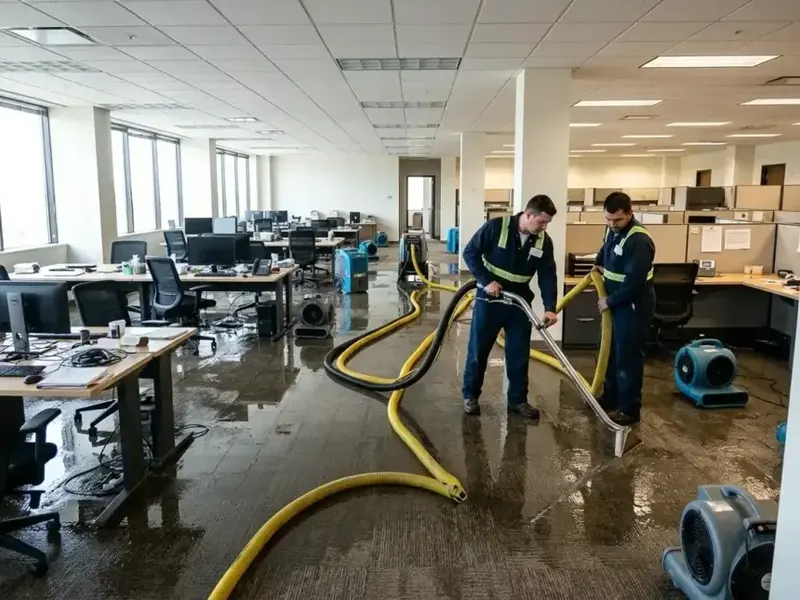 Commercial Water Damage RestorationOffices, shops and apartment buildings from the Square to the Candler Road corridor.View service
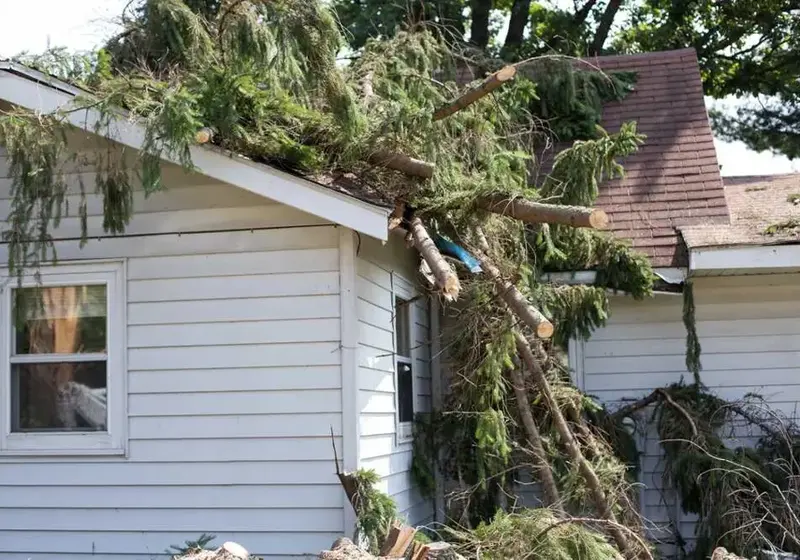
When the canopy comes down: storm and tree-fall water damage
- Summer thunderstorms and tropical storm remnants bring limbs and whole oaks down onto Decatur roofs.
- Wind-driven rain follows the tree in, soaking attic insulation, ceilings and the walls below.
- Once the roof is tarped, the drying team maps moisture from the attic down and dries what it finds.
Water damage dried to the IICRC S500 standard
What separates a finished dry-out from a cosmetic one is the order of the work.
- 1
Map the moisture
The tech who does the walkthrough maps moisture with pinless meters and thermal imaging before any equipment goes down, and sets the category and class of the loss.
- 2
Extract
The extraction crew pulls standing water with truck-mounted extraction, so the water leaves the building instead of moving into the next room.
- 3
Dry the structure
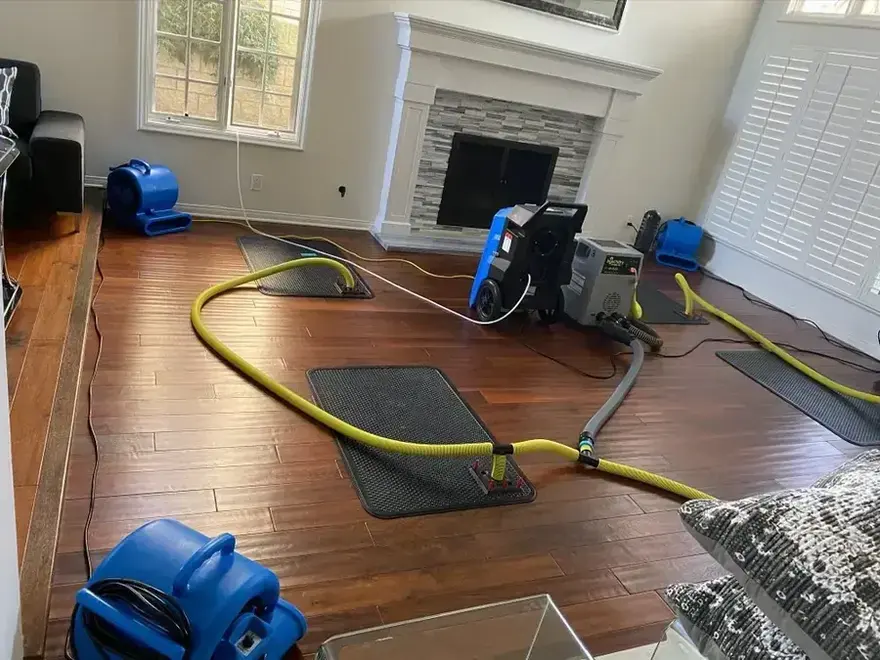
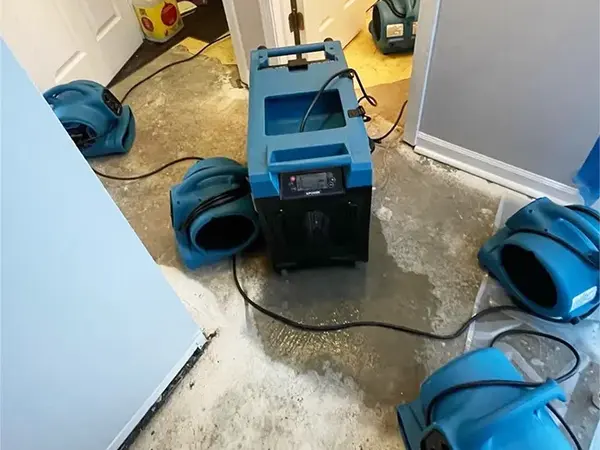
The drying team sets air movers to each room's evaporation load and runs LGR dehumidifiers, or desiccants for Class 4 materials like heart pine and plaster.
- 4
Verify dry
Most crews pull equipment only when wet materials read within 2 to 4 points of a dry reference material in the same house, with daily readings logged for the claim file.
- Structural drying, not just surface
- Category and class set the plan
- Equipment stays until readings say dry
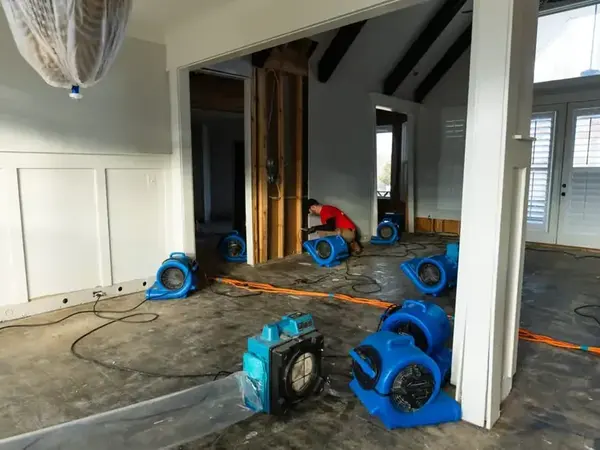
The gear a real dry-out runs on
What does water damage restoration cost in Decatur, GA?
In Decatur, GA, water damage restoration typically runs $1,000 to $10,000 or more. The biggest drivers are the water category (clean, gray or black), the square footage that got wet, the material class (drywall and carpet versus heart pine, plaster or crawl-space framing) and how fast drying started.
Contained, clean water
$1,000 to $3,000
- One or two rooms
- Extraction and drying in place
- Daily moisture readings
Several rooms or the crawl space
$3,000 to $7,000
- Wall cavity and subfloor drying
- Some material removal
- Crawl-space dehumidification
Storm water or sewage
$7,000 to $10,000+
- Category 3 removal
- Antimicrobial and HEPA
- Full structural drying
For a planning number based on your own rooms, use the Decatur water damage cost calculator. Every loss is priced on what the moisture map shows.
Documentation for your insurance claim
A water claim is decided on the file, not on the phone call. Ask the restoration contractor who responds what documentation comes with the job.
Sudden and accidental discharge, like a burst supply line, is treated differently from rising surface water, which falls under flood coverage. Coverage depends on your policy, so it is worth checking with your own insurer.
- The moisture map from day one, showing every wet area
- Timestamped photos taken before any demolition
- The category and class of the loss
- Daily psychrometric readings and the drying log
- A line-item scope in the format adjusters expect
All water damage categories covered in Decatur, GA
The category of the water decides what can be dried and what has to come out.
Category 1, clean water
A burst supply line, a water heater or an ice-maker line. Extracted and dried in place when drying starts early.
Category 2, gray water
Washer and dishwasher discharge or an AC pan overflow that sat. Soaked porous materials are cleaned or removed.
Category 3, black water
Sewage, creek flooding and storm runoff. Porous materials it touched get removed, not dried.
Sewage backup cleanupWhat a water damage dry-out looks like in Decatur
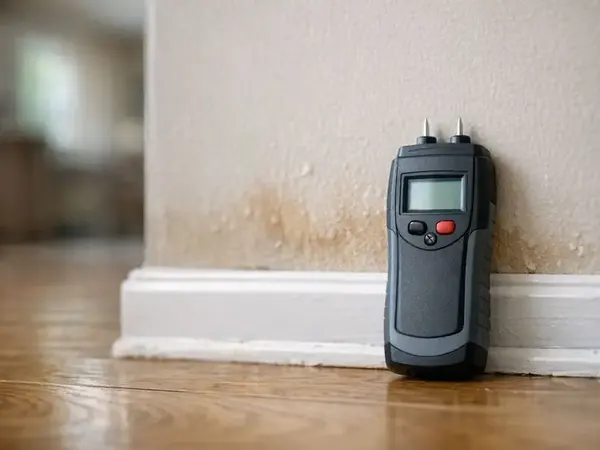
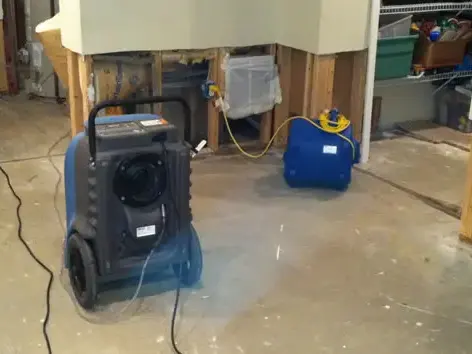
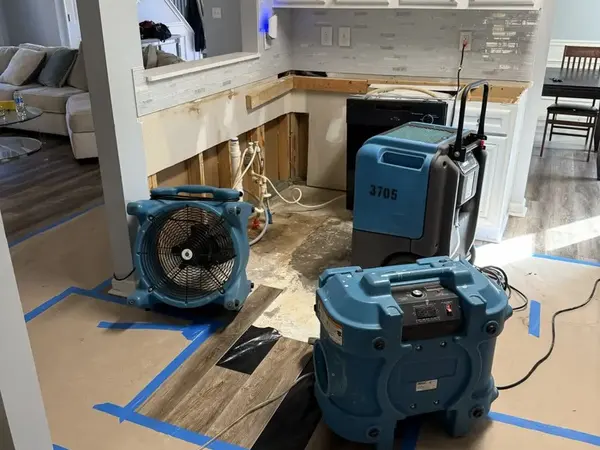
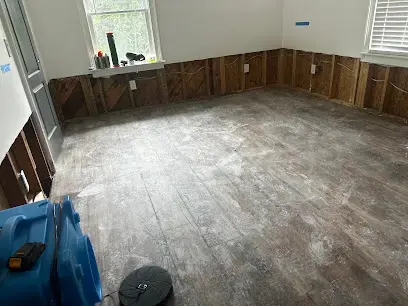
Water damage restoration across Decatur and DeKalb County
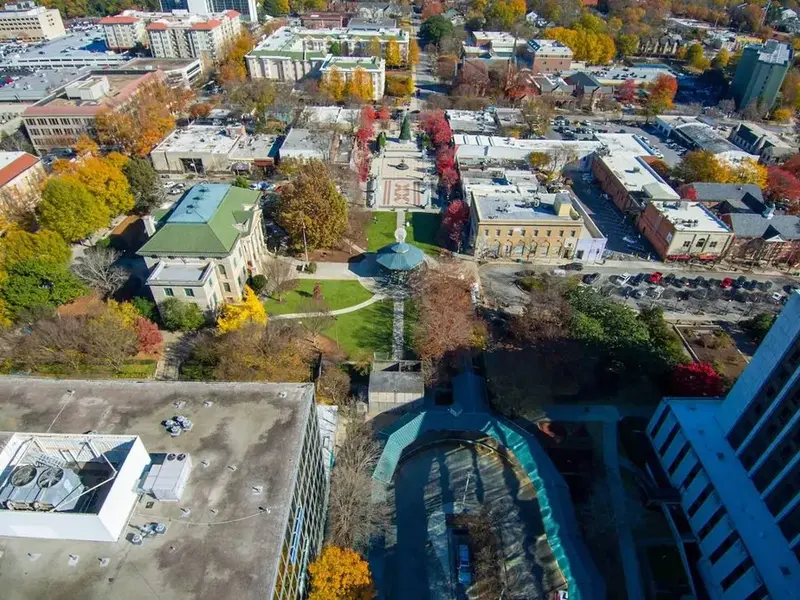
The Decatur restoration team covers the city and the surrounding ZIP codes below, day or night.
One call reaches Decatur water damage pros, 24/7
24/7 water damage restoration anywhere in Decatur and the surrounding DeKalb County ZIP codes. The restoration team asks which level of the house is wet and what the source is, because that decides what equipment goes on the truck.
- Decatur, GA · DeKalb County
- (888) 532-4616
- Dispatch every day, day and night
City of Decatur
- Downtown and the Square
- Oakhurst
- Winnona Park
- MAK Historic District
- Ponce de Leon Court
- Clairemont-Great Lakes
- Glennwood Estates
- Decatur Heights
- Chelsea Heights
- Parkwood
- Westchester Hills
North Decatur side
- North Decatur
- Medlock Park
- Mason Mill
- Clairmont Road corridor near Emory
South and southwest Decatur
- Belvedere Park
- Candler-McAfee
- Glenwood Road corridor
- Columbia Drive corridor
South DeKalb
- Panthersville
- Cedar Grove
- Flat Shoals Parkway corridor
- Candler Road south
Southeast DeKalb
- Snapfinger Road corridor
- Wesley Chapel Road corridor
Nearby
- Avondale Estates
- Scottdale
- Druid Hills
- Clarkston
- Kirkwood (Atlanta)
- East Lake (Atlanta)
ZIP codes covered
Water damage in Decatur, GA: the local risk profile
Decatur's water losses follow its trees, its old houses and its clay. Four patterns lead the calls.
- Oak and pine roots cracking 1920s to 1960s clay and cast iron sewer laterals in Oakhurst, Winnona Park and Belvedere Park.
- Storm limbs and whole trees through roofs, from summer thunderstorms to tropical remnants like Helene in 2024.
- Red clay and sloped lots that push runoff into daylight basements and crawl spaces near Shoal Creek and South Fork Peachtree Creek.
- Unprotected crawl-space lines that split in rare hard freezes, like the December 2022 cold snap.
Decatur water damage questions, answered
Straight answers about drying, cost, insurance and what to do first. For water in the house right now, the phone is faster.
Talk through the damage with a Decatur proHow fast can someone respond to water damage in Decatur?
The Decatur restoration team works 24/7, and a rapid local response is the norm on emergency water calls. Timing depends on the hour, the weather and where in DeKalb County the home is, so shut the water off and start the first steps while help is on the way.
What should I do in the first hour?
Shut the main water valve, switch off power to wet rooms if the breaker panel is dry, stay out of standing water near outlets, photograph everything before moving it, lift rugs and furniture off wet floors, and then call.
Is water damage covered by insurance in Georgia?
Sudden and accidental water, such as a pipe that bursts, is often treated differently from flooding or a slow leak. Rising surface water usually needs a separate flood policy. Coverage depends on your policy, so it is worth checking with your own insurer.
What causes most water damage in Decatur homes?
Tree roots cracking old clay sewer laterals, limbs and trees through roofs in storms, crawl-space pipes that split in rare hard freezes, runoff into daylight basements on sloped lots, and aging water heaters and washer hoses.
How long does it take to dry a house after a leak?
A contained Class 1 or 2 loss usually dries in three to five days. Heart pine floors, plaster walls and crawl-space framing take longer. Equipment comes out when the readings say dry, not on a set date.
What is IICRC S500?
IICRC S500 is the industry drying standard for water damage restoration. It covers how a loss is inspected, how the water is categorized, how drying is set up and how the result is verified.
What is the difference between mitigation and repair?
Mitigation stops the damage from growing: extraction, removal of materials that cannot be saved, and drying. Repair, such as new drywall, paint and flooring, comes after the structure is dry.
When does drywall have to come out?
When it is saturated, sagging, holding wet insulation, touched by Category 3 water, or when readings will not come down. Clean water caught early can often be dried in place.
Why is a sewage backup handled differently?
Sewage backup is Category 3 the moment it happens. It needs containment, protective equipment, removal of porous materials and an EPA-registered antimicrobial before drying starts.
How is the cost of water damage restoration calculated?
By the water category, the square footage that got wet, the material class, the equipment and days needed to dry, and how fast drying started. The cost calculator gives a planning range.
Water in your Decatur home? Call now.
Standing water keeps spreading until it is extracted. Decatur water damage pros answer day and night and start with a moisture map, not a guess.