Appliance Supply Line Leak Cleanup in Decatur, GA
A washer hose or ice-maker line under pressure never stops on its own. The Decatur restoration crew extracts the water and dries under the cabinets and floors where it hides.
(888) 532-4616Get appliance leak cleanup started in Decatur- Cabinet and toe-kick drying
- Thermal imaging
- 24/7 dispatch
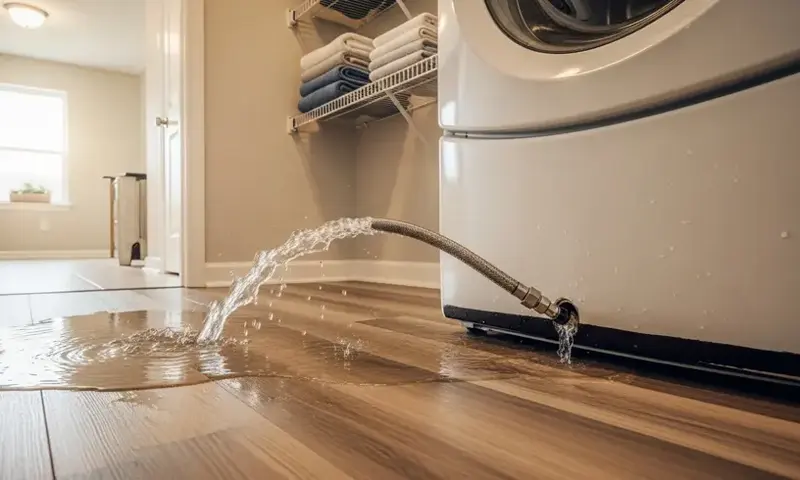
What to do first about appliance leak cleanup in Decatur
- 1
Shut the valve
Close the valve behind the washer, under the sink or behind the fridge; shut the main if needed.
- 2
Unplug the appliance
Unplug it if the outlet and floor around it are dry and safe to reach.
- 3
Pull what you can
Move rugs and stored items out of the wet area and open cabinet doors.
- 4
Photograph and call
Photograph the failed hose or line and the wet floor, then call.
How appliance leak cleanup is handled in Decatur, GA
Every step follows the IICRC S500 drying standard, and each one leaves a record for the claim file.
- 1
Map the moisture
The tech who does the walkthrough maps moisture with pinless meters and thermal imaging before any equipment goes down, and sets the category and class of the loss.
- 2
Extract
The extraction crew pulls standing water with truck-mounted extraction, so the water leaves the building instead of moving into the next room.
- 3
Dry the structure
The drying team sets air movers to each room's evaporation load and runs LGR dehumidifiers, or desiccants for Class 4 materials like heart pine and plaster.
- 4
Verify dry
Most crews pull equipment only when wet materials read within 2 to 4 points of a dry reference material in the same house, with daily readings logged for the claim file.
What does appliance supply line leak cleanup cost in Decatur, GA?
In Decatur, GA, appliance supply line leak cleanup typically runs $800 to $3,000 for a kitchen or laundry leak caught early and $3,000 to $8,000 or more when water spread under cabinets, through flooring or into the room below.
Caught early
$800 to $3,000
- Extraction
- Toe kicks removed and dried
- Daily readings
Under cabinets and floors
$3,000 to $5,500
- Laminate or vinyl lifted
- Subfloor dried
- Cabinet bases dried
Upstairs laundry
$5,500 to $8,000+
- Ceiling below opened
- Two floors dried
- Full drying log
Ranges move with the water category, the square footage, the material class and how fast drying started. For a planning number, try the Decatur water damage cost calculator.
Appliance leaks are the most common water loss in any house, and the sneakiest. The hose or tubing runs behind the machine or under the cabinet, so by the time water shows at the edge of the floor it has already soaked the subfloor and the bottom of the cabinet boxes.
The usual appliance failures
- Rubber washing machine hoses that split after years under pressure
- Thin plastic refrigerator ice-maker lines that crack when the fridge is pulled out
- Dishwasher supply connections and drain hoses under the sink
- Braided sink and toilet supply lines with corroded connectors
Upstairs laundry rooms in two-story homes around North Decatur and the newer infill streets add a second problem: a washer leak on the second floor comes straight through the kitchen or living room ceiling.
How an appliance leak is dried
The tech who does the walkthrough pulls the appliance out, finds the failed line and maps moisture under the cabinets, the flooring and the wall behind. The extraction crew removes standing water, and the drying team pulls toe kicks or drills small holes in the cabinet base so air movers can push dry air underneath. LGR dehumidifiers run until the subfloor and cabinet bases read dry. Laminate and vinyl plank floors trap water beneath them and often have to come up.
Trade fact: dishwasher and washer drain water is Category 2 because it carries soap, food and soil. Supply-line water starts as Category 1.
Preventing the next appliance leak
Steel braided washer hoses, a braided or copper ice-maker line, and a leak sensor under the sink or behind the washer are cheap upgrades. The EPA WaterSense leak pages list easy household leak checks, and the Consumer Product Safety Commission posts appliance recalls. For a washer leak that reached the floor below, see ceiling leak water damage; for wet wood floors, see hardwood floor water damage.
Where the Decatur appliance leak cleanup crew works
The Decatur restoration crew covers the whole city, from the Square, Oakhurst and Winnona Park to North Decatur and Medlock Park, and south through Belvedere Park, Candler-McAfee, Panthersville and the Snapfinger corridor.
See every neighborhood and ZIP codeRelated water damage services in Decatur
Appliance Supply Line Leak Cleanup questions in Decatur
Short answers to what Decatur homeowners ask most about appliance leak cleanup.
Talk through the damage with a Decatur proHow often should washer hoses be replaced?
Rubber hoses are commonly replaced about every five years. Steel braided hoses last longer and fail less often.
Can kitchen cabinets be saved after a leak?
Often, if they are solid wood or plywood and dried quickly. Particleboard cabinet bases that swell usually have to be replaced.
Why does water get trapped under laminate floors?
Laminate and vinyl plank sit on an underlayment that holds water against the subfloor. They usually have to come up so the subfloor can dry.
Is dishwasher water considered clean?
No. Dishwasher and washer drain water is Category 2 because it carries soap, food and soil.
Is an appliance leak covered by insurance?
A sudden hose or line break is often treated differently from a slow, long-term leak. Coverage depends on your policy, so it is worth checking with your own insurer.
What is the cheapest way to prevent appliance leaks?
Steel braided hoses and lines, plus a battery leak sensor near each appliance, catch most failures early.
Appliance Supply Line Leak Cleanup in Decatur? Get the drying started today.
Every hour of standing water pushes it deeper into subfloor, drywall and framing. The Decatur restoration team works around the clock.